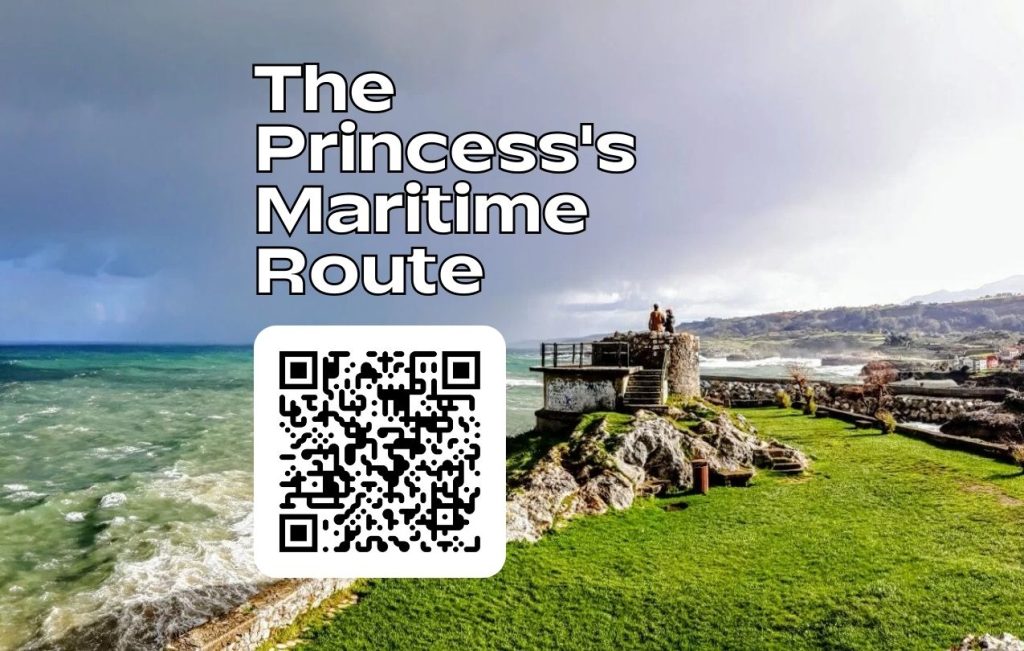
The princesss maritime route
With the help of Princess Leonor of Austria we will tour the Llanes of 1517. Llanes, enchants locals and strangers with its endearing streets and its wide port that seems to have been stopped in time. It is essential to take this Marine Route that we travel not only in space but also in time, going back to Llanes in the 16th century, on a clear day with a south wind, exactly to September 26, 1517.
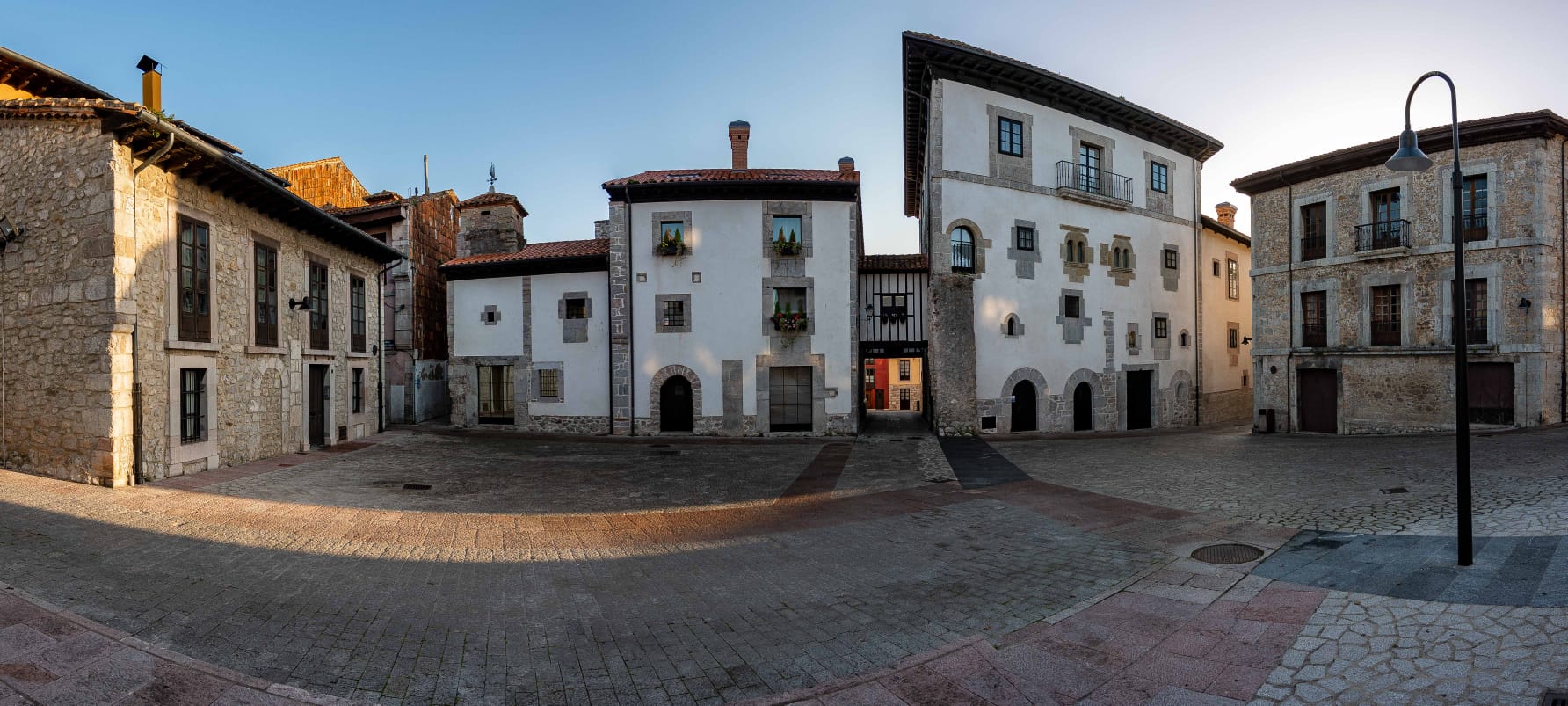
LLANES, YEAR 1517.... (read more)
To undertake this Seafaring Route, it is essential that we travel not only through space but also through time, returning to sixteenth-century Llanes, to a clear day with a southerly wind—specifically, September 26, 1517.
We know, thanks to a very special chronicler, Laurent Vital, that on that date a princess arrived in the town of Llanes after a troubled and dangerous sea voyage. Contrary winds diverted the course of the royal fleet, which had departed from Middelburg nineteen days earlier, steering it away from Santander, its intended destination, followed by another no less perilous journey overland.
Curiously, the princess was named Eleanor. She was then eighteen years old, the eldest daughter of Philip “the Handsome” and Joanna “the Mad,” and she accompanied her brother Charles of Ghent—future King of Spain and Holy Roman Emperor—who was traveling to Spain for the first time to take possession of the kingdom after the death of his grandfather, Ferdinand the Catholic, and with his mother confined in Tordesillas.
It seems that Princess Eleanor of Austria, who would later become Queen of Portugal and of France, was included in that journey with the intention of helping her forget her love for Frederick II, Count Palatine of the Rhine, with whom it was even feared she might have secretly married.
We know that upon entering Llanes, the entourage was joyfully and honorably received by the good people of the town, who went out in procession to meet them, having previously adorned their houses with green foliage and branches and carpeted the streets with flowers. Thus, Mr. Vital records: “Had they been able to do better, they would have done so with even greater pleasure.”
We also know that as soon as the king, the princess, and their retinue of Flemish nobles took up residence in the house of Juan Pariente on Real (Main) Street, the town’s leading men went to pay their respects. Yet the princess—distinguished by her curiosity and learning—would surely have preferred, while the hand-kissing ceremony took place, to stroll through that seafaring town, still recovering from a great fire, situated a crossbow’s shot from the sea, enclosed by walls, and whose fundamental pillar, together with the Town Hall and Council and the Church, was the Brotherhood of Seafarers of St. Nicholas, whose ordinances had been approved by her maternal grandparents, the Catholic Monarchs.